Future-Proof Ecommerce SEO Strategies for 2025–2026: Boost Sales with AI, Voice, and Immersive Shopping
The ecommerce landscape is evolving faster than ever—2025 and 2026 demand more than just basic keyword stuffing. To stay visible and profitable, online stores must embrace cutting-edge SEO strategies powered by AI, voice search, and immersive, interactive shopping experiences. Whether you run a Shopify, WooCommerce, or headless commerce store, this guide reveals proven, forward-looking tactics to future-proof your SEO and win the race for customer attention. Ready to unlock more traffic, higher conversions, and lasting growth? Let’s dive into the top ecommerce SEO trends shaping this new digital commerce era.

Deepak
5 min read
October 9, 2025

How Ecommerce SEO Is Changing in 2025–2026
SEO for ecommerce is no longer just about keywords and backlinks. AI-driven search algorithms now reward natural, semantically rich content and seamless customer experiences across multiple touchpoints. Voice search and visual commerce are becoming mainstream as shoppers expect hands-free, immersive options such as 3D product views and AR try-ons. Mobile-first has evolved into omnichannel-first, ensuring your brand presence is consistent across web, app, and emerging AR/VR platforms.
For stores wanting to stay ahead, mastering AI-powered content moderation for authenticity and transparency is essential. This shift from volume-based SEO to quality and experience means brands that create humanized storytelling, combined with technical mastery, win.
Read more on the future of ecommerce SEO and AI-driven analytics here.
Next-Gen On-Page SEO Tactics for Ecommerce
1. AI-Enhanced Keyword Research
2025 SEO tools use AI to forecast trending, intent-driven queries before they spike in popularity. Prioritize conversational long-tail keywords, and multimodal search terms that include voice and visual queries. Use these organically in product descriptions, category pages, and FAQs for best results.
2. Immersive, Interactive Product Pages
Upgrade product pages to include 3D views, AR compatibility, and optimized videos using VideoObject schema. Transparent pricing and semantic descriptions that cover diverse use cases boost both SEO and buyer confidence.
3. Smarter Metadata Strategy
Meta titles should be dynamic and intent-adaptive, combining primary keywords with context-rich phrases. Meta descriptions now allow up to 250 characters—include LSI keywords naturally. Structured snippets leveraging Q&A schema can elevate your presence in search results.
For detailed tactics, explore how to increase organic traffic with ecommerce SEO.
Technical SEO Innovations Shaping Ecommerce in 2025
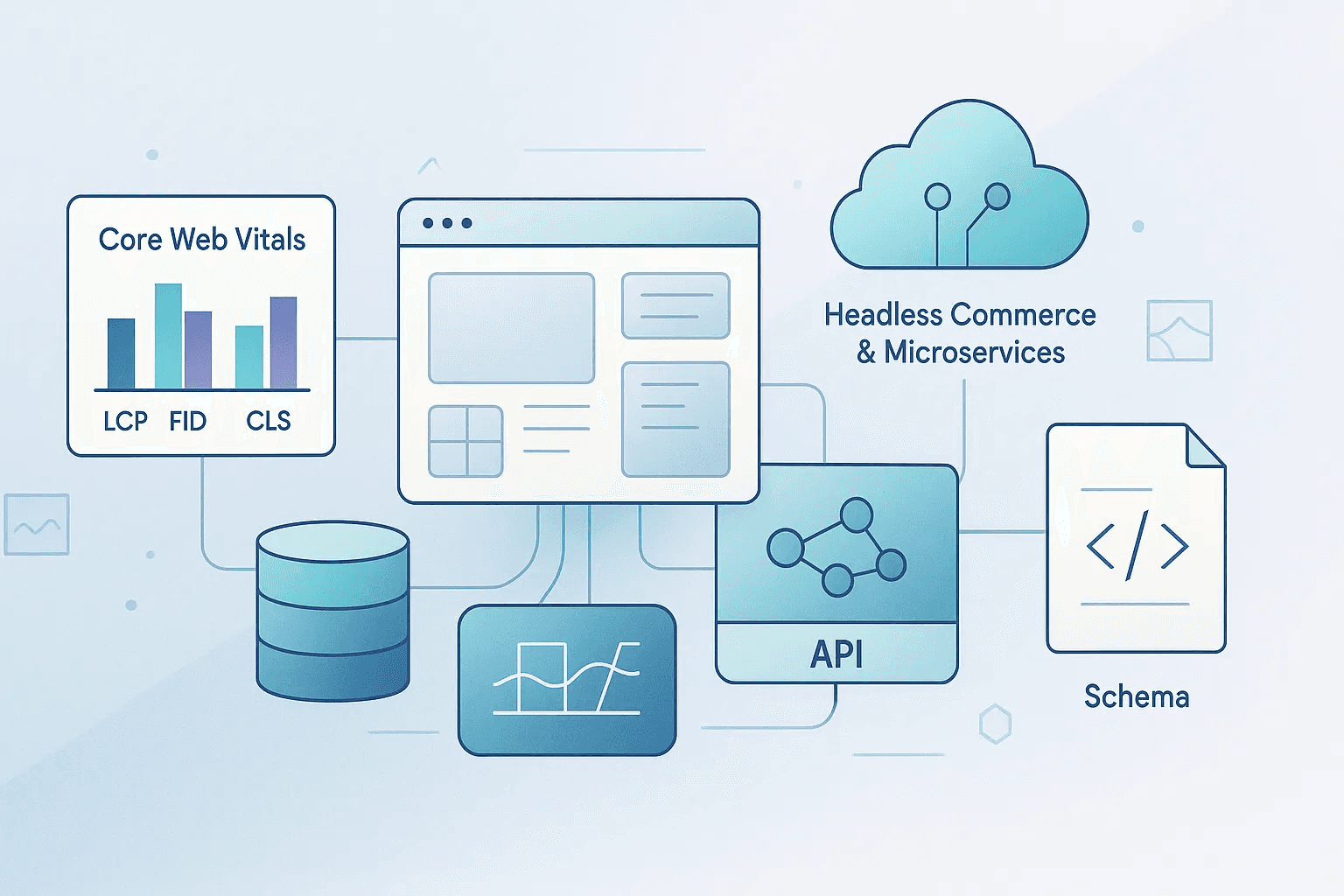
Core Web Vitals 2.0
Google intensifies focus on loading speed, interactivity, and layout stability with benchmarks such as LCP < 1.5s, FID < 50ms, and CLS < 0.05. Optimize images, implement lazy loading, and leverage caching/CDNs to meet these metrics.
Quantum-Ready Site Architecture
Headless commerce combined with microservices architecture enables faster API indexing, offline Progressive Web App support, and device synchronization—ensuring flawless omnichannel experiences.
Advanced Schema Markup
Beyond ratings and pricing, incorporate schema for sustainable sourcing, real-time inventory, customer journeys, and video demos to qualify for rich search features.
Advanced SEO Strategies That Differentiate Leaders
Multimodal Content Ecosystems: Create shoppable blogs, interactive buying guides, and community photo galleries with rich alt text that AI can interpret.
UGC 2.0: Leverage user-generated video reviews with transcripts, and sentiment-driven rating systems indexed for SEO.
Predictive Search Optimization: Use AI analytics to predict seasonal demand and cluster queries for optimized product bundling.
Get insights on how smart ecommerce stores use AI tools for sales growth.
Platform-Specific SEO Approaches for 2025–2026
Platform | SEO Approach |
|---|---|
Shopify 2.0+ | Hydrogen framework with composable commerce |
WooCommerce | Blockchain verification and distributed hosting |
Headless Commerce | Optimized APIs with omnichannel indexing |
Marketplaces | Schema markup combined with unique value signals |
Learn proven growth tactics for Shopify and WooCommerce stores here.
Measuring Ecommerce SEO Success in 2025
Track performance with a focus on:
Semantic search visibility (not just keyword rankings)
Predictive conversion analytics using AI tools
Engagement depth via time on page and click-throughs
Omnichannel attribution modeling to measure impact across all platforms
Use top SEO analytics platforms like SEMrush, Ahrefs, and Google Analytics continuously to adjust and improve.
Conclusion: Ecommerce SEO’s Future Is Immersive and AI-Driven
By 2026, the winners in ecommerce SEO will combine flexible headless architecture, technical excellence, and authentic, human-first content. Algorithms amplify genuine value shaped around seamless experiences, not just rankings. To dominate, focus on AI-powered insights, voice and visual search, and immersive customer journeys.