Mastering Ecommerce Paid Ads Strategies: Boost Sales Without Wasting Budget
Running an online store today is like competing in a digital street market. Thousands of brands are shouting for attention, and if your ecommerce paid ads strategies aren’t optimized, you risk wasting ad spend while competitors drive up costs. Rising CPCs, abandoned carts, and underperforming campaigns are common challenges for ecommerce store owners. This guide shows simple, actionable steps to use Google Shopping ads, Facebook ads for ecommerce, retargeting, and multichannel campaigns to reach the right audience, improve ROI, and grow your business without needing a technical background.

Deepak
8 min read
October 9, 2025

1. What Are the Basics of Ecommerce Advertising Strategies?
Before launching ads, get the fundamentals right. Without this, even big budgets can fail.
Know Your Customer
Create customer personas: Who buys your products? When and how do they shop? What problems do they need solved?
Segment product keywords by intent, e.g., buy running shoes online or discount yoga mats.
Set Clear Goals and Track Metrics
Decide what success looks like: sales, leads, or brand awareness.
Track key metrics such as ROAS, cost per acquisition, and conversion rate optimization ecommerce ads.
Benchmarks: Average ROAS for Google Shopping is 3–5x; CTR for social ads often ranges 2–5%.
Budget Wisely
Follow the 70-20-10 approach:
70% → Proven campaigns like Google Shopping and branded paid search.
20% → Growth campaigns like Facebook dynamic ads or Performance Max campaigns.
10% → Experiments on platforms like TikTok, Pinterest, or LinkedIn for niche audiences.
2. How Do Google Shopping Ads and Paid Search Work for Ecommerce?
Google Shopping ads and paid search target customers actively looking to buy, making them highly effective for ecommerce.
Key Tips for Google Shopping Ads Success
Product Feed Optimization and Structured Data: Ensure accurate titles, descriptions, prices, and availability. Use schema markup to improve ad accuracy.
Ad Extensions: Add promotions, free shipping, or seasonal deals to increase CTR.
Margin-Based Bid Strategies: Bid higher on high-margin products and lower on low-margin items.
Competitor Keyword Strategies: Capture comparison shoppers by targeting competitor or branded keywords.
Example Table – Ecommerce Shopping Campaign Optimization
Element | Weak Approach | High-Converting Approach |
|---|---|---|
Product Title | Running Shoes | Nike Men’s Running Shoes – Lightweight Size 10 |
Image | Low-res, cluttered | Clean, lifestyle + multiple angles |
Ad Group Structure | All products together | Targeted ecommerce ad groups by category or intent |
Negative Keywords | None | Exclude free, used, DIY |
Seasonal Adjustments | Same bids all year | Seasonal ecommerce strategies like Q4 or Back-to-School |
Mini Case Study: An apparel store increased ROAS by 40% after restructuring its Google Shopping campaigns into product-category-specific ad groups and optimizing product titles and images.
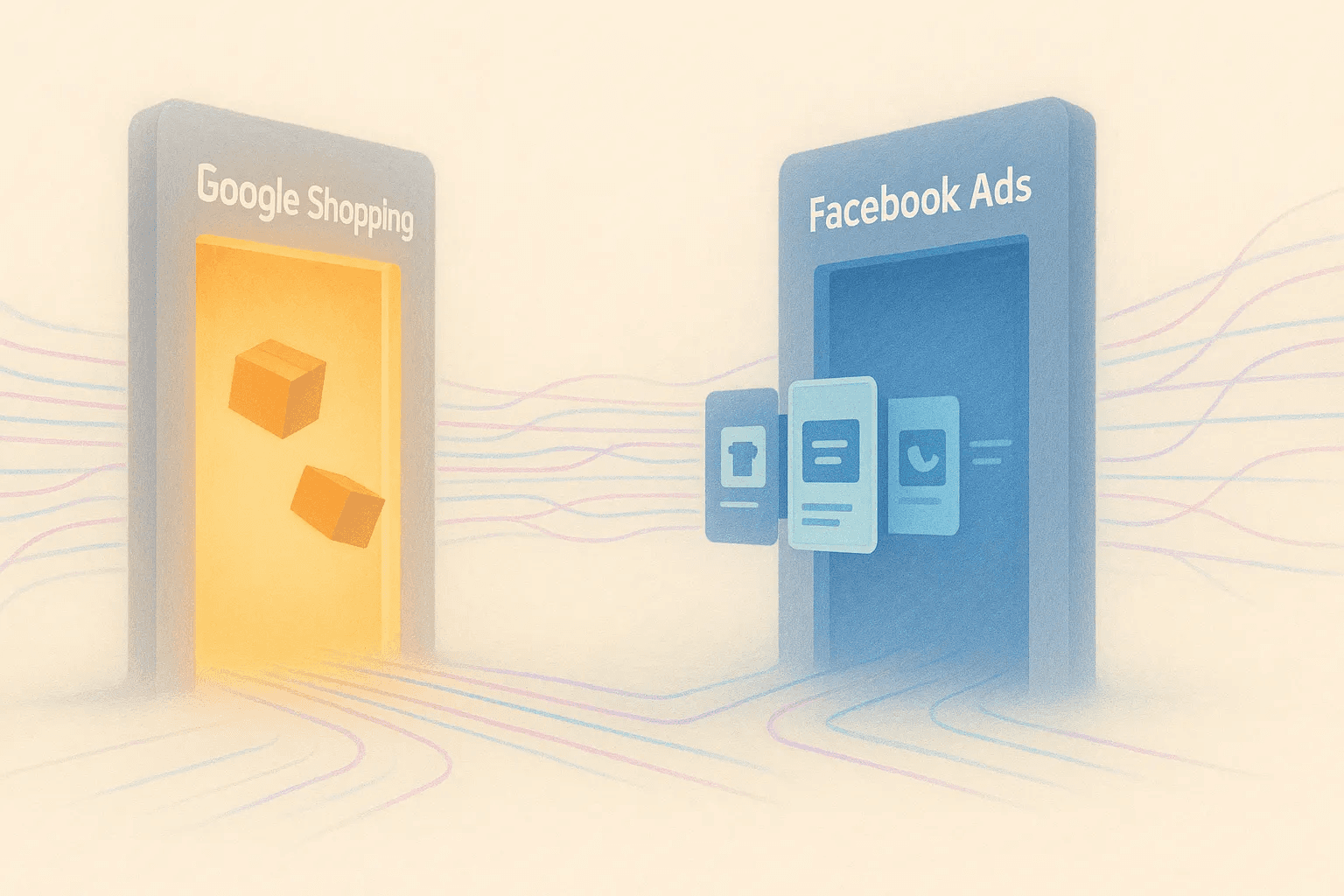
3. What Are the Best Social Media Ads for Ecommerce Success?
Social platforms like Facebook, Instagram, TikTok, and Pinterest help customers discover your products. Generic ads fail; success comes from personalization.
Facebook Ads for Ecommerce
Dynamic Remarketing: Show products shoppers already viewed to reduce abandoned carts.
Advantage+ Shopping Campaigns: Meta’s automated campaigns in 2025 optimize delivery using AI for higher conversions.
Social Proof Ecommerce Ads: Highlight reviews, user-generated content, or “X people bought this today.”
High-Converting Formats: Carousel ads for multiple products, short videos for storytelling.
Ad Copy Tips: Use simple, urgent messages like Only 3 left in stock – shop now!
Expanding Beyond Facebook
TikTok & YouTube: Short, authentic videos to demonstrate products or tell stories.
Pinterest Ads: Ideal for visually appealing products like home décor or fashion. Optimize content with keywords in descriptions and boards.
LinkedIn Ads: Great for B2B or high-end consumer goods.
4. How Can Ecommerce Retargeting Ads Increase Conversions?
Most visitors don’t buy on the first visit. Retargeting and dynamic remarketing help bring them back.
Cart Abandonment Retargeting
Remind visitors about items left in their carts.
Offer incentives like free shipping or limited-time discounts.
Benchmark: Average cart abandonment rate ~70%; retargeting can recover 10–30% of lost revenue.
Retargeting by Intent
Browsed products: Show testimonials or product benefits.
Added to cart: Use urgency with countdown timers.
Past buyers: Upsell or cross-sell complementary products.
Conversion Rate Optimization in Ecommerce Ads
Optimize mobile pages for speed and usability.
Simplify checkout and maintain consistent messaging from ad to landing page.
What’s the Smartest Way to Scale With Multichannel Ecommerce Advertising?
Once campaigns perform well, scaling across channels maximizes growth.
Performance Max Campaigns (Google)
Uses AI to optimize bidding and placements across Shopping, Search, Display, and YouTube.
Works best when you have strong conversion tracking data.
Multichannel Strategy
Combine Google Shopping, Facebook ads, and TikTok campaigns.
Keep messaging consistent across platforms.
Seasonal Ecommerce Ad Strategies
Increase budgets during holidays, back-to-school, and other peak periods.
Test promotions early; competition can spike CPCs.
Final Thoughts: How to Succeed With Ecommerce Paid Ads Strategies
Winning isn’t about spending more—it’s about being strategic:
Optimize product feeds and shopping campaign structure.
Use retargeting and social proof ecommerce ads.
Scale campaigns with seasonal and multichannel strategies.
Successful ecommerce brands combine customer insights, smart budgeting, and continuous testing. Start small, optimize regularly, and scale campaigns that deliver strong ROI.
FAQs About Ecommerce Paid Ads Strategies
1. What is the most effective ecommerce paid ads strategy for beginners?
Google Shopping ads combined with ecommerce retargeting ads capture high-intent buyers and reduce cart abandonment.
2. How much budget should I allocate for ecommerce PPC strategies?
Start with 10–20% of your marketing budget. Test across campaigns, then scale the ones delivering the best ROI.
3. Are Facebook ads for ecommerce still worth it in 2025?
Yes. Facebook and Instagram remain top platforms for dynamic remarketing, social proof, and ecommerce audience targeting.
4. What are the best practices for product feed optimization?
Use detailed product titles, high-quality lifestyle images, accurate attributes (size, color, brand), and structured data/schema markup.
5. How can I improve conversion rate optimization for ecommerce ads?
Optimize mobile pages, add trust signals like reviews, simplify checkout, and maintain consistent ad-to-landing-page messaging.